My new guilty pleasure this summer has been
Red Mango's pomegranate frozen yogurt. I know it's not chocolate, but I compensate by getting the Ghirardelli Dark Chocolate Chips as a topping.
I must admit, I was surprised Red Mango carried Dark Chocolate Chips as a topping. Fruit, granola, and organic foods tend to be the majority of the topping options. Red Mango also prides their fat free, gluten free, kosher delicious frozen yogurt treats. I wondered if dark chocolate really lived up to its healthy rep amongst the healthy topping options.
WebMD and eHow both claim benefits to dark chocolate, although they warn health benefits are not immediate. Certain steps must be taken to maximize dark chocolate's nutrition.
Here are some chocolate health benefits I found:
1.Both milk and dark chocolate contain phosphate, which prevents tooth decay. 2.Chocolate can also be an antidepressant by enabling the release of serotonin in the brain.
3.Flavonoids, found in chocolate, encourage nitric oxide production. This can lower blood pressure.
4.Milk chocolate can lower LDL cholesterol, or bad cholesterol.
5.Both contain antioxidants (these help strengthen our immune systems).
So what is the difference between milk and dark chocolate? What makes dark chocolate healthier?
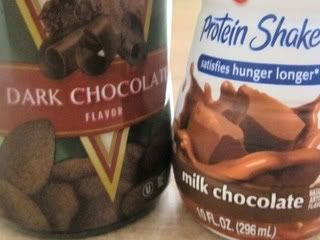
Avoiding milk and dairy products with dark chocolate is vital to absorb antioxidants, according to both sites. This explains why dark chocolate is healthier than milk chocolate.
Yet, Red Mango products are made with pasteurized and cultured skim milk and non fat dry milk. This means dark chocolate chips may not be the healthiest option!
The difference between milk and dark chocolate comes down to antioxidants; other nutritional benefits are similar. Just remember, even though milk and dark chocolate have nutritional benefits, both high in calories, fat, and sugar. Eat your chocolate in moderation. eHow recommends only 3 ounces of dark chocolate a day.
Despite health benefits, I must say I am partial to milk chocolate. Do you prefer milk or dark chocolate?


